
(A Step-by-Step Guide)
Fort Lauderdale, Florida
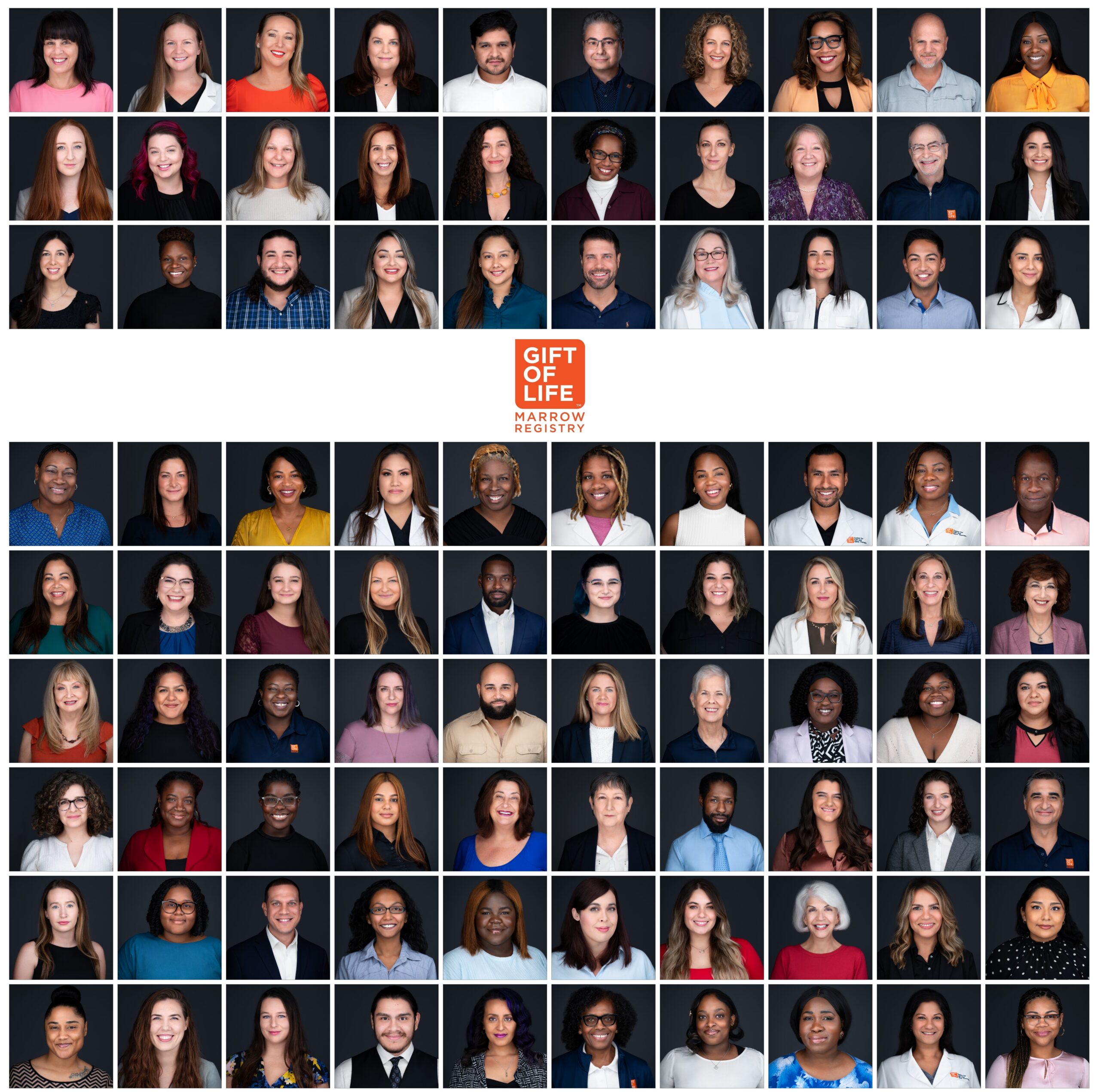
Team Headshots are typically the worst.
Right?
I mean, wasn’t school picture day supposed to be finished when we graduated high school?
But that’s exactly what team headshot day tends to be like. Everyone waiting in line, 2 seconds in front of the camera to force an awkward smile, then pick the one you hate the least.
And do it all again next year.
The result? Your people hate the experience and don’t love the finished product. I know this because SO many of my clients tell me that’s exactly what their previous headshot experience was like. And it’s doing nothing to add to the employee experience; it’s just something you “have” to do so you don’t have iPhone selfies on the “About Us” page of your website.
But there’s a better way. And it’s one that treats your people like the valuable assets they are, has the fun of a team-building session, and makes your people look like rockstars.
And it all starts with preparation.
PHASE ONE: BEFORE YOU BOOK, DEFINE THE STRATEGY
Step 1: What is the purpose of the headshots?
Executive headshots can (and should) look very different from a quick name badge picture. Where will these headshots be displayed and who is the intended audience? What do you want the images to communicate?
Will these images be used for:
– LinkedIn?
– Company website?
– Press features?
– Recruiting?
– Investor decks?
– Proposals?
– Speaking/podcast opportunities?

While a great headshot can be used in any of these cases, there are also some styles that are better suited for some situations (eg speaking engagements). Often times, different purposes = different style.
It really all comes down to this: your images need to reflect how you want the market to perceive you. The rest of the project needs to be intentionally built around this foundation.
Step 2: Find the right photographer (not just the cheapest)
Building on the first step, we need to ask these important questions:
– can the photographer maintain consistency across any size group?
– do they have an elevated lighting style that matches the premium nature of your company?
– do they have the ability to quickly build rapport and then coach great expressions out of everyone?
– are they efficient with large teams?
– do they have an acceptable turnaround time for image delivery?
– can they seamlessly align with your brand strategy?
A photographer can have the best technical skills in the world, but if they can’t build rapport and coach people on expressions, the sessions will typically take a LONG time, and the end result won’t convey the kind of confidence you want for your premium brand.
This is typically where you want to avoid going the cheap route. I’ve told companies this before: even if you don’t hire me, try to avoid going with the cheaper options. From what my clients have told me in the past, that’s where you tend to get into “school picture day” vibes, which is not what you want to represent your brand.
Step 3: Determine the style
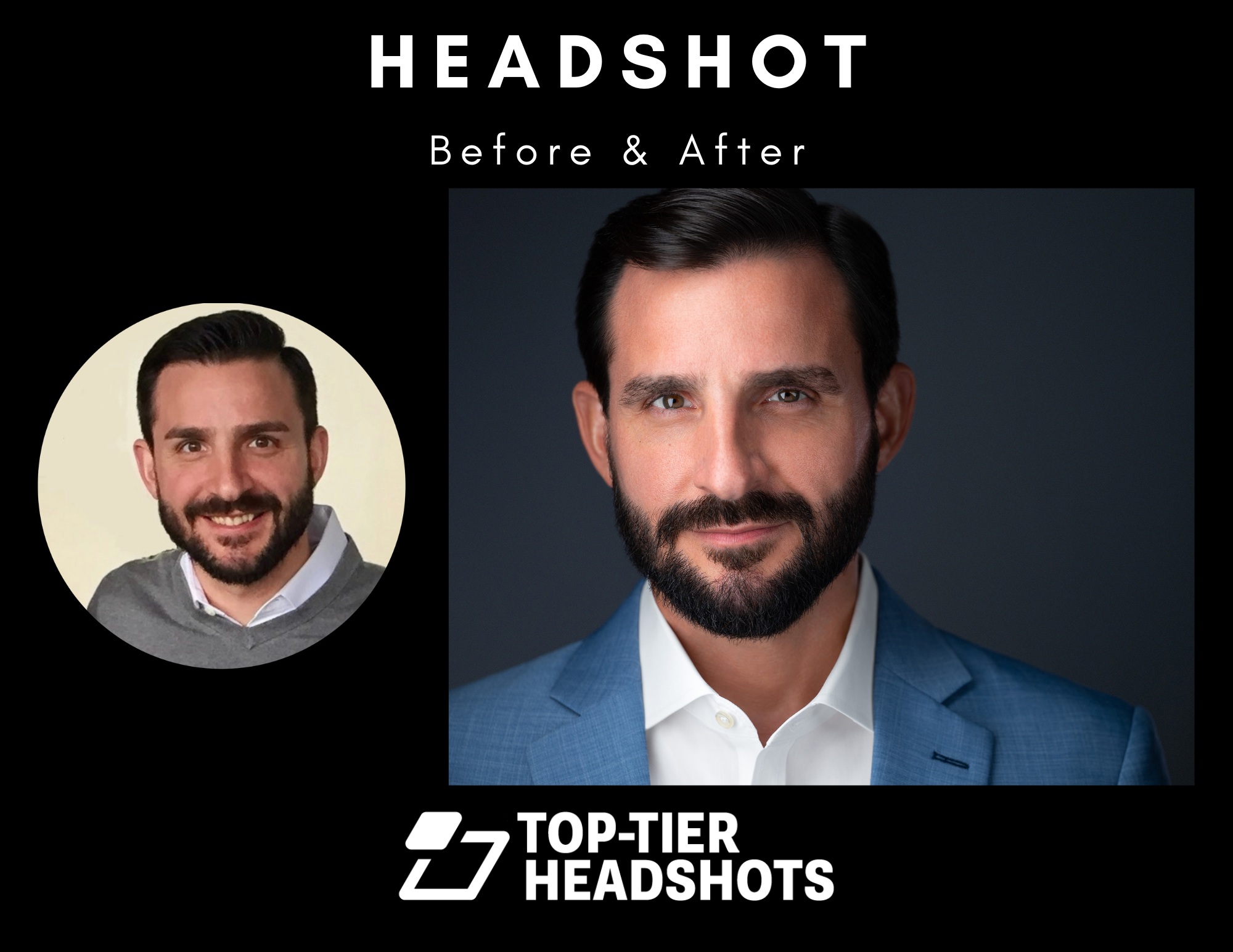
Once you’re decided on a photographer, you need to zero in on the style. Again, what are you trying to communicate in these images? Is your brand vibe best communicated with a bright, cheerful vibe or a darker, editorial style? Is a studio or “environmental” style better? What sort of expressions are acceptable? Should it be casual or formal? What kind of wardrobe guidance should you give the team?
These are all things that a good headshot photographer should be able to guide you through. But again, the style should ultimately be something that aligns with your brand. The last thing you want is visual confusion.
PHASE TWO: PREPARING THE TEAM
Step 4: Communicate the “why” to the team
Headshots are pretty much par for the course in the corporate world. Everyone knows they need to get done.
But that doesn’t mean people like getting them done.
If you have a clear “why” and a strategy to implement it, it’ll go a long way towards getting your employees to buy in to the experience. This isn’t just corporate tradition. This is a chance to elevate the company brand by elevating its people.
Step 5: Provide wardrobe guidance
This is definitely something that a headshot photographer should help with. I personally provide guidance through my own Headshot Preparation Guidelines. If your people’s outfits need to align to your brand more closely, than the development of a “mood board” may be useful to give your team more specific ideas and guidelines.
Step 6: Create a seamless schedule
At the very least, a company liaison should have the names/contact details of everyone who needs to be photographed, and then have at least a few people ready to go at all times (if possible). When I work with companies, I usually only need about 3-5 minutes per person, so no one should have to wait very long.
When tighter schedules are required, we can also make up a custom booking link for your team. This allows each person to sign up for their own time slot and receive email reminders about their upcoming appointment.

Step 7: Prepare the space
Most headshot photographers will bring their own lights/backdrops/gear. Typically, the most important things you can provide are a) a clear working space, b) access to electrical outlets for their gear, and c) the ability to control the light in the room. Though these needs may vary among photographers, they will typically help make the images as great as possible. However, good photographers should also be able to adapt and work with sub-par spaces and still create amazing images for you. Improvising is the name of the game!
I’ve done headshots in everything from a supply closet (but please, no) to huge event spaces (much better). Often times, a conference room with the table moved to the side is a perfectly adequate space to make the magic happen.
PHASE THREE: OPTIMIZE THE DAY
Step 8: Set the tone
If the top executives treat the headshot session as a “necessary evil,” that mindset will tend to filter down to everyone else.
But there’s a big opportunity here. Instead of everyone getting an image that looks straight out of their senior yearbook, this is an opportunity for them to step into the “professional spotlight” and get an image that has them looking ready for the cover of Forbes. And why not, right? If your people look great, won’t that help your company look great? Headshots like this help your people see that you are investing in THEM.
I have found that this kind of mentality and tone-setting gets the team showing up ready to rock.
Step 9: Expression Coaching matters
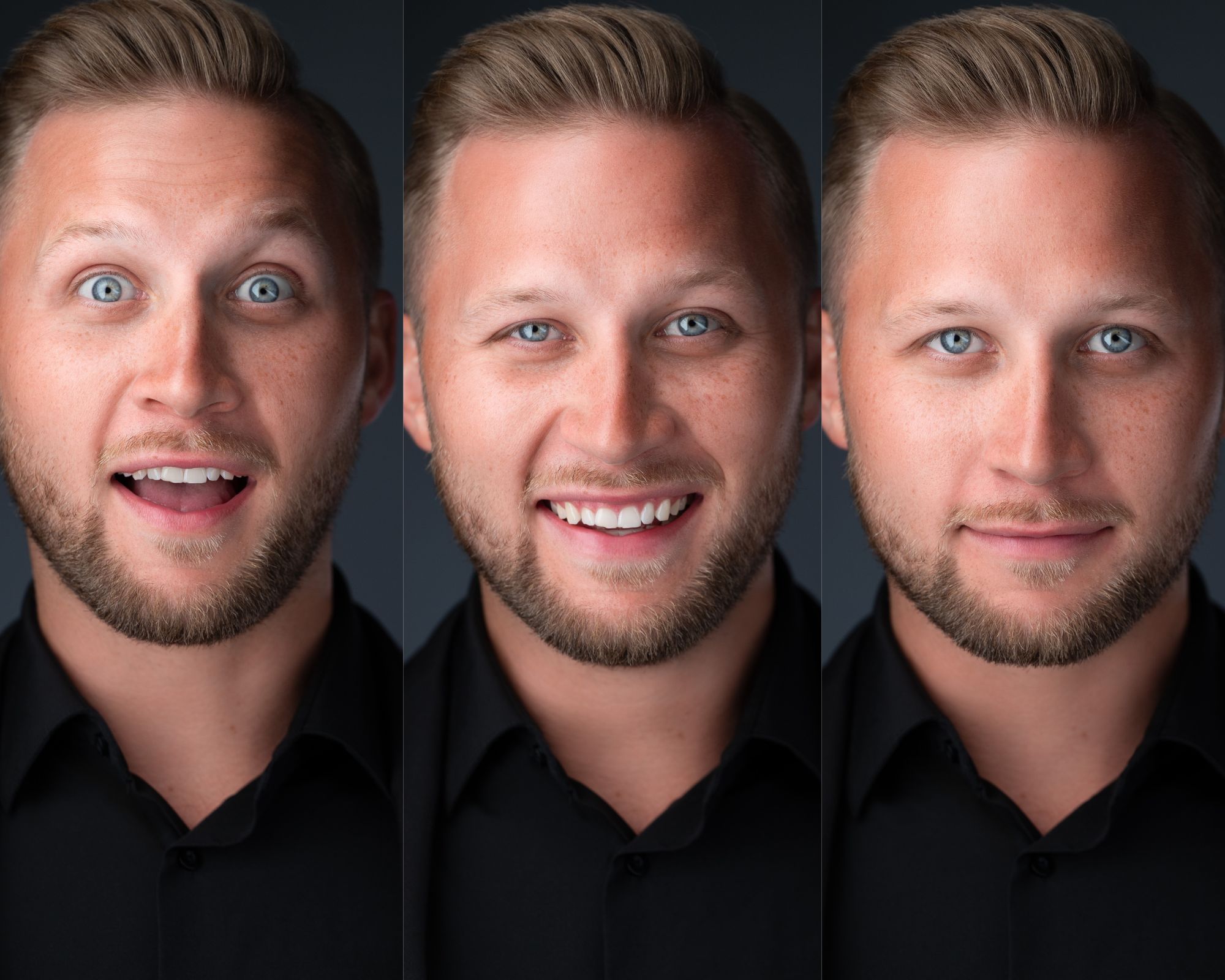
Your team is made up of INDIVIDUALS. And the best way to help them look their best is to work with someone who knows how to coach them so their personality comes straight to the surface. This is especially important for people who don’t feel “photogenic.” So much so, that I wrote a whole piece about it on LinkedIn here.
The whole point is this: the best ROI comes from your people making genuine connections with others through these images. And the only way that happens is if your people look authentic. Forced smiles simply won’t do. You need a photographer who’s also an Expression Coach.
And you know what my clients tell me? The Expression Coaching is one of the main things that makes it such an enjoyable experience for everyone. It doesn’t HAVE to be like pulling teeth!
Sorry, dentists.
Step 10: Make sure the photographer has instant image review
Whenever I’m doing headshots, I always shoot with my camera connected to my laptop. It may seem like a minor thing, but it gives me the opportunity to show people how the images look. Immediately.
This is a GAME CHANGER for corporate headshots. It eliminates the need for reshoots because we ensure everyone loves their headshot before we move on. It also speeds up the turnaround time, because if everyone picks their favorites during the session, we can send them off to our retoucher on the same day, keeping the ETA as tight as possible.
PHASE FOUR: MAXIMIZE ROI
Step 11: Roll out images quickly
Once you get the images back, don’t let them sit in a dropbox folder! Your team looks fantastic and the world needs to see it. More specifically, your potential clients need to see it. Did you know people are 35% more likely to reach out if your business website has photos of your own people instead of stock photos or no photos at all? Good images build trust and work for you while you sleep, so put them to work!
Step 12: Leverage new images for company PR and recruiting
These new headshots aren’t just for your “About Us” page on your website. The opportunities are endless. Think “meet the team” social media posts, press features for your executives, awards for your top employees, hiring announcements, speaker announcements, podcast features, etc. You can also use them in your recruiting, signaling to top talent the kinds of investments you make in your team members.
Step 13: Update business development platforms like LinkedIn
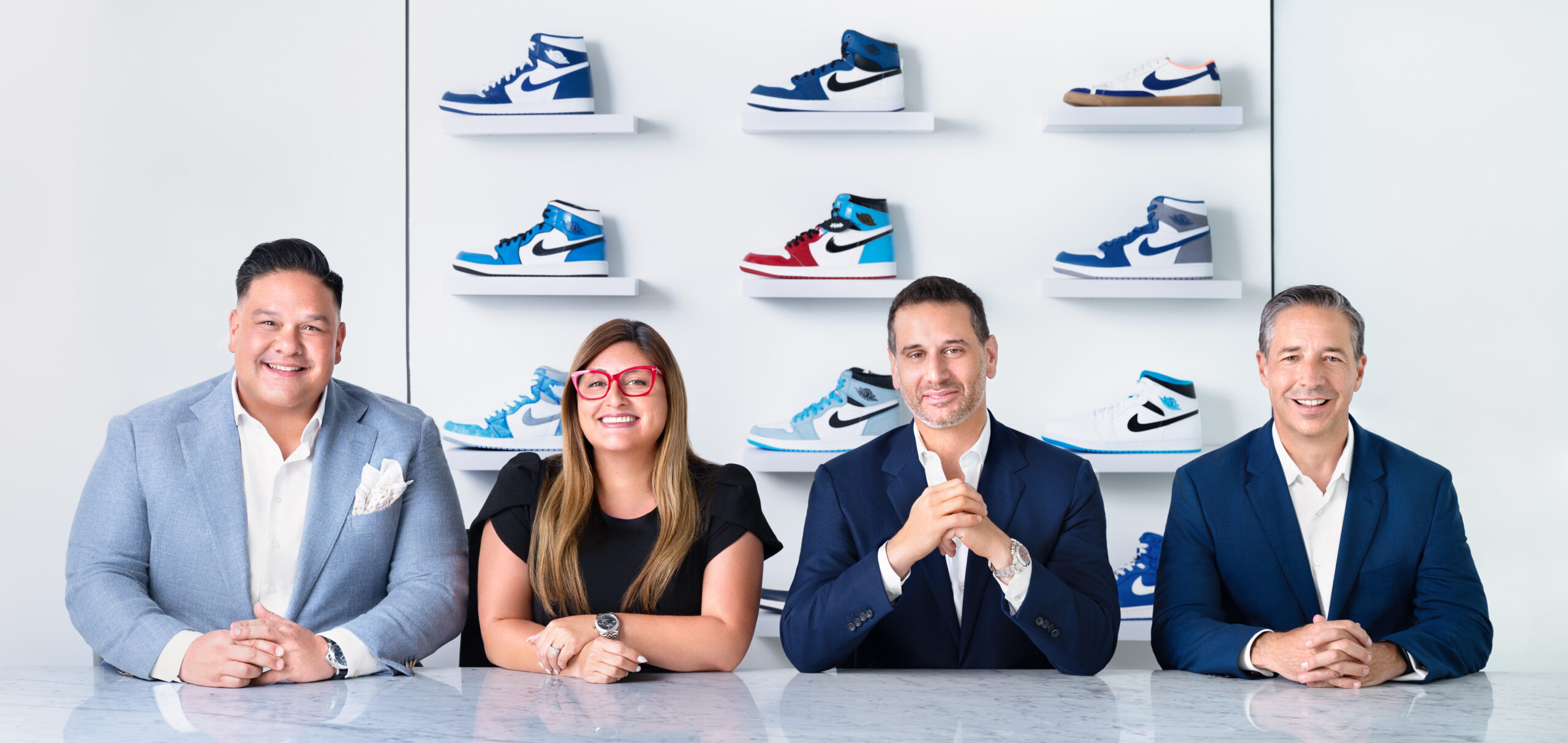
The team members should update their LinkedIn profile pictures with their new headshots soon after receiving the images. If your company is doing any relationship building, networking, prospecting, or marketing on LinkedIn, newly elevated headshots can signal that the company is “up to something” and generate increased interest. Many of my clients have told me that using one of these new headshots has opened doors of connection for them that weren’t previously there.
Step 14: Maintain an ongoing headshot policy
We all know that employees come and go, even on the best teams. And if you’re a growing company, you’re probably also doing a lot of hiring to keep up with the growth. You should have a plan to make sure that all new team members receive a consistent headshot so there are no gaps in the brand quality and consistency. Photographers that have a “New Hire Program” will allow you to experience savings well beyond the initial group session, and will keep your team looking like the pros they are.
The Wrap Up?
This was a LOT. But it’s important. Team Headshots have the opportunity to be either cringe-worthy or inspiring. They can feel like getting your teeth pulled or they can feel empowering and energizing. They can be no more than placeholders, or they can be powerful marketing collateral for your brand. I hope this guide has given you some of the tools you need to ensure brand alignment, evaluate the market, and prep your team for the best headshot day ever.
P.S. If you’re ready to explore a team session, or if reading this feels overwhelming and you want to learn more, I’m always happy to chat through my process with you. Feel free to set up a complimentary consult here.
Daniel Wakefield is a photographer, entrepreneur, and author. He is the founder of Top-Tier Headshots and the Accelerate Coaching Group, initiatives through which he helps professionals and creatives elevate their brand and business.


